War chronicle · 7 May · Old Head of Kinsale, Ireland
Sinking of the Lusitania
The Germans provoke international outrage by firing at a ship carrying civilians.
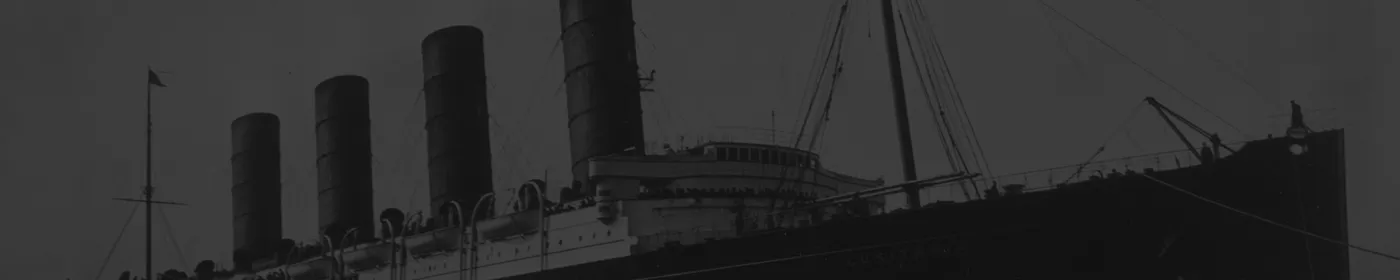
A German submarine lies in wait. Passing above is the passenger liner RMS Lusitania, bound for Liverpool from New York. Without warning the liner is torpedoed just south of the Irish coast.
Within minutes the Lusitania develops a sharp list to one side, and the crew lose all control. Launching the lifeboats is incredibly difficult, and many passengers find themselves sliding and falling down hallways that are now deadly vertical shafts.
It takes a mere 18 minutes for the large liner to slip completely beneath the waves. Of the original 1962 passengers and crew, 1193 die, including 94 children and babies.
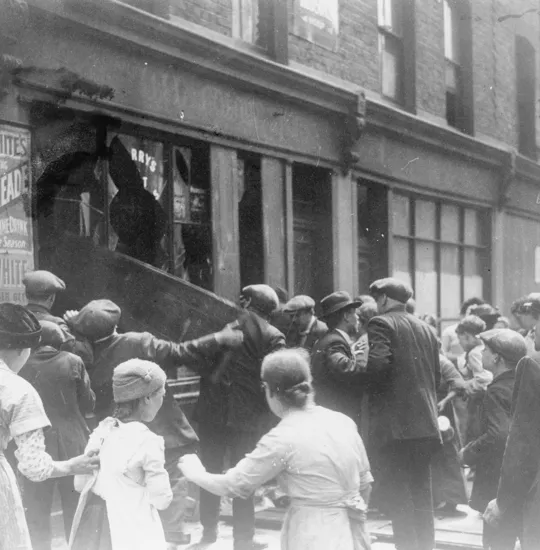
Among the dead are 128 Americans. The sinking provokes international condemnation of Germany for its policy of unrestricted submarine warfare. Unsurprisingly, anti-German sentiment increases sharply in the United States.
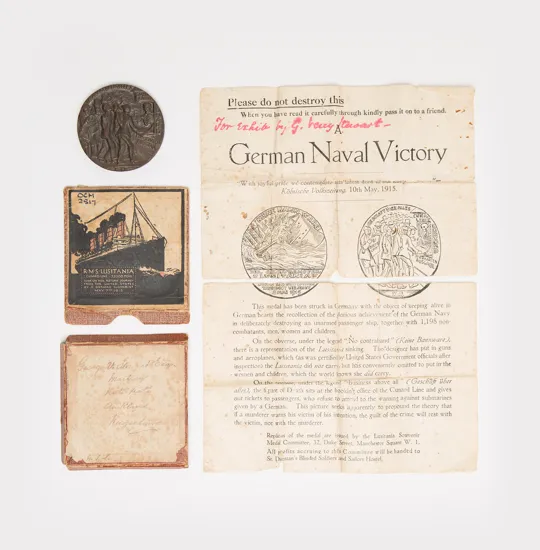
But the Germans felt the attack was justified. They claimed the Luisitania was carrying ammunition and had sent warnings that it would be sunk. In fact the liner did have large amounts of ammunition on board – information which was only made public in 2014.
Photos & objects